













How to Clean Your Fantasy Toys The Complete Guide
Platinum Silicone: What It Is and Why It Changes Everything

Most sex toys sold online are made from TPE or TPR, thermoplastic elastomers that feel soft, photograph well, and cost very little to manufacture. They are also porous. That single word means more than it sounds. A porous material has microscopic channels running through its surface that trap fluid, bacteria, and lubricant residue no matter how carefully you clean. You can wash a TPE toy every day and still never fully sanitize it.
Platinum silicone works differently. The material is non-porous at a molecular level. Nothing penetrates the surface. Bacteria, body fluids, and lubricant stay on top, where soap and water can reach them. This is not a marketing claim. It is the reason medical equipment, surgical implants, and baby products are made from the same material. The platinum cure process also means no plasticizers, no phthalates, and no compounds that leach into the body over time.
Every BeastyLov product is made from certified platinum silicone. Not silicone-blend. Not silicone-feel. Platinum silicone, verified by the same certifications required for medical and food-contact applications.
That said, non-porous does not mean self-cleaning. The material is forgiving, but it rewards a consistent routine. This guide covers everything you need to know to keep your toys clean, safe, and in excellent condition for years.
Non-porous means bacteria stay on the surface where soap and water can reach them. That is the entire argument for platinum silicone.
All BeastyLov products carry RoHS, FDA, REACH, CE, and PAHs certifications. If you want to verify the material of any product in your collection, the simplest test is the flame test: briefly touch a lighter to an inconspicuous area. Pure platinum silicone produces only a small clean char and no chemical odor. TPE melts and smells.
Daily Cleaning: The Routine That Protects You Every Time
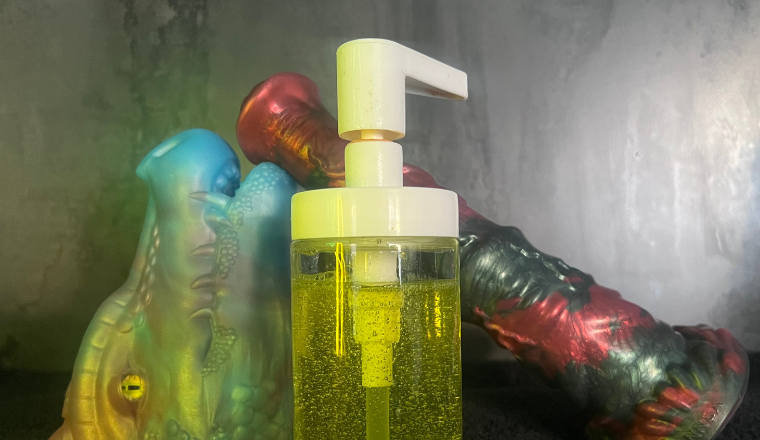
The daily clean is not complicated. It takes under three minutes and should happen after every single use, without exception. The window matters: cleaning immediately after use, while lubricant and body fluids are still fresh, is far easier than cleaning hours later when residue has dried into textured surfaces.
The goal here is not sterilization, which is covered in the next section. The goal is removing surface contamination before it has time to build up. Done consistently, this keeps your toy hygienic between deeper cleans and makes the monthly sterilization genuinely straightforward.
Never use antibacterial wipes, hydrogen peroxide, or scented cleaning products on platinum silicone. They are either ineffective or corrosive to surface pigments over time. Mild soap and water outperforms every specialized toy cleaner on the market for daily use.
Deep Sterilization: When, Why, and How to Do It Right

Daily cleaning removes contamination from the surface. Sterilization eliminates pathogens entirely. For platinum silicone, full sterilization is genuinely achievable. This sets it apart from TPE, which can never be fully decontaminated regardless of the method used. It is one of the most practical reasons the material matters.
Sterilize before the first use, after sharing a toy with a partner, after any anal use before vaginal use, and as a baseline once a month with regular use. If a toy has been stored for an extended period without use, sterilize before using it again.
Never boil a toy with a motor, battery compartment, or charging port. The heat destroys the electronics permanently. For motorized platinum silicone toys, use the isopropyl alcohol method exclusively, unless the toy is explicitly rated for full submersion by the manufacturer.
Method 01
Boiling
The gold standard. Fill a pot with enough water to fully submerge the toy. Bring to a full rolling boil. Lower the toy gently using tongs and place a clean cloth on the bottom of the pot to prevent direct contact with hot metal. Boil for 3 to 5 minutes. Remove with tongs and leave to cool completely on a clean towel. Never use a boiled toy before it has returned to room temperature. Never boil a toy with electronic components.
Method 02
10% Bleach Solution
Mix one part unscented household bleach with nine parts cold water. Submerge the toy for ten minutes. Rinse under running water for at least thirty seconds to ensure all bleach residue is gone before use or storage. Air dry fully. This method is equally effective to boiling and is preferable when you need a cooler process or access to a stove is limited.
Method 03
Dishwasher
Top rack only. No detergent whatsoever, as residue in textured surfaces is a genuine risk. Sanitize cycle only. The dishwasher must be completely empty of dishes and food residue. Remove the toy immediately when the cycle ends to prevent indentations from the rack. This method is suitable for non-motorized toys only.
Method 04
Isopropyl Alcohol
Apply 70% isopropyl alcohol to a lint-free cloth, wipe across all surfaces, and leave for two minutes before rinsing. This is the best method for motorized toys that cannot be submerged. It is also the most effective solution for persistent odors that survive standard washing, since the alcohol breaks down the lubricant compounds responsible.
A note on double-density toys: products with a firm inner core and a softer outer layer are still entirely platinum silicone throughout. Both layers respond identically to every cleaning method above. Boiling does not separate or damage the layers.
Lubricant Compatibility: The One Rule That Actually Matters
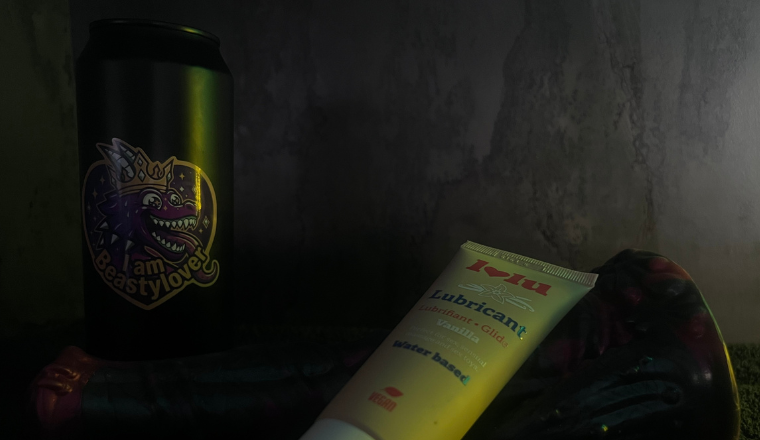
The lubricant conversation for platinum silicone toys is simpler than most guides suggest. There is one rule that covers almost everything: use water-based lubricant. It is safe with every platinum silicone product, rinses off cleanly, and introduces no risk of surface degradation over time.
Everything else is worth understanding, but that single rule is the one to internalize and stick with.
Never use coconut oil, vaseline, or any oil-based product internally with a platinum silicone toy. Beyond being difficult to clean, oil-based products disrupt vaginal pH and create conditions that favor infection. The cleaning problem is real but secondary to the health concern.
| Lubricant type | Compatible? | Notes |
|---|---|---|
| Water-based | Yes, recommended | Fully safe with all platinum silicone. Reapply as needed during use as it absorbs into skin over time. |
| Silicone-based | Use with caution | High-quality platinum silicone is more resistant than cheap silicone blends, but prolonged use can create a dull, slightly tacky surface over time. Water-based eliminates this risk entirely. |
| Oil-based | Not recommended | Difficult to rinse completely from textured surfaces. Residual oil creates ideal conditions for bacterial growth in the days between uses. |
| Hybrid | Check ingredients | If the primary base is water with a small silicone fraction, generally safe. Avoid hybrids with a high silicone concentration. |
If you have used a silicone-based lubricant and notice the surface feels slightly tacky or looks less bright than usual, wash with warm soapy water and the texture will typically return to normal within one or two cleaning cycles. If it persists, wipe with a 70% isopropyl alcohol cloth, rinse well, and dry completely. A persistent surface change after this treatment is purely cosmetic. The material remains fully body-safe.
Faux Fur Masturbators: Cleaning Two Materials at Once

Faux fur masturbators require a different approach than solid toys because you are cleaning two distinct materials simultaneously: the platinum silicone interior and the synthetic fur exterior. The rules for each are different, and the most common mistake is applying the wrong method to the wrong material.
Faux fur is made from acrylic or polyester fibers. It is a fabric. Fabric responds to heat, harsh detergents, and wringing the way fabric always does: it mats, loses its texture, and in some cases becomes permanently deformed. The fact that it wraps a silicone toy does not change this.
Most faux fur masturbators have a removable fur jacket with snap fasteners. If yours does, always separate the two components before cleaning. It is faster, more thorough, and eliminates the risk of trapping moisture at the silicone-fur junction where mold develops.
Two materials, two different methods. The mistake is treating the whole thing like a silicone toy.
For masturbators with fixed fur that cannot be removed: do not submerge the entire toy. The junction between fur and silicone traps water that will not dry properly, and mold appears at the seam within 48 hours. Spot-clean the fur with a damp cloth and mild soap, wash the silicone areas directly with water and soap, and allow an extended drying period of at least 24 hours before storing.
If mold develops on the fur, visible as small dark spots or a persistent musty smell, apply a dilution of one part white vinegar to four parts water to the affected area with a cloth. Leave for 15 minutes and rinse. For the silicone interior, fill with undiluted white vinegar, leave for an hour, then clean thoroughly with soap and water. Persistent mold on a fixed-fur design after this treatment is a reason to retire the toy.
Storage: Three Rules That Extend the Life of Everything
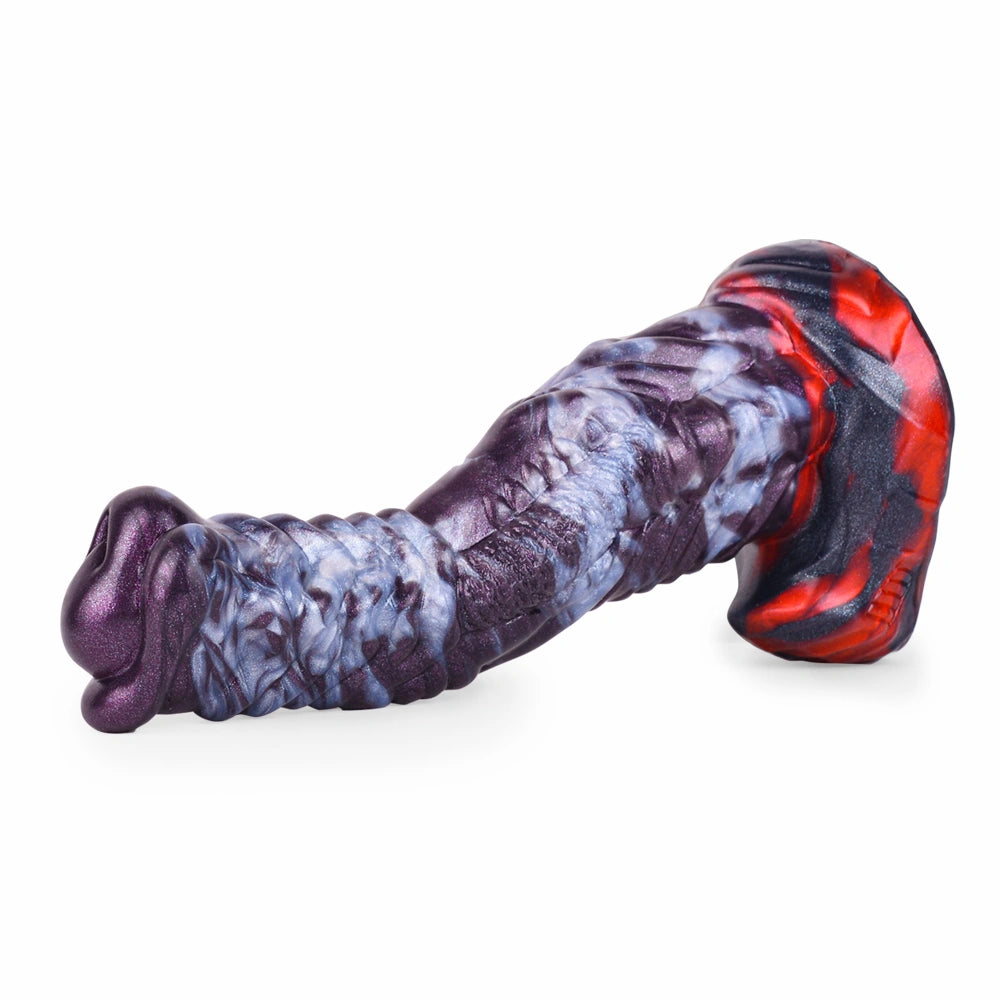
Storage is the step most people treat as an afterthought, then wonder why a well-maintained toy develops surface changes, odors, or discoloration over time. The rules are simple and they matter more than any cleaning product on the market.
Rule 01
Store separately
Silicone in contact with other silicone, rubber, or unknown plastics can trigger a slow chemical reaction: surfaces adhere, discolor, or change texture. Store each toy in its own breathable fabric pouch. Cotton and microfiber allow air to circulate while keeping out dust. Sealed plastic bags are not suitable for long-term storage.
Rule 02
Store dry
Ensure every toy is completely dry before it goes into storage. The silicone itself will not be damaged by residual moisture, but fabric pouches develop mold in damp conditions. If you are not certain it is dry, wait. Thirty minutes of additional air drying costs nothing.
Rule 03
Store cool and dark
A drawer or closet at room temperature is ideal. Direct sunlight causes gradual UV discoloration in platinum silicone over months of exposure. This is cosmetic rather than structural, but entirely avoidable. Temperature cycling, meaning repeated heating and cooling, can accelerate surface wear over years of regular use.
Before every use, take thirty seconds to inspect the toy. Run your hand across the surface. You are looking for tacky areas that do not resolve with washing, cuts or tears in the surface, unusual discoloration that is not a lubricant stain, or structural softness in a previously firm toy. These are rare with platinum silicone but possible with long-term heavy use or improper storage. If you find any of them, retire the toy. A surface cut in what was a non-porous material creates exactly the kind of bacterial issue that the material was chosen to prevent.
Warming Your Toy: Safe Methods Only

Platinum silicone conducts and retains heat well, better than TPE and better than glass at ambient temperature. This makes warming genuinely effective rather than purely cosmetic. The right method matters.
The safest and most consistent approach is a warm water soak. Submerge the toy in warm but not hot water for two to three minutes, remove it, pat dry, and test the temperature against the inside of your wrist before use. This produces an even, controlled warmth across the entire surface with no risk of hot spots.
Never use a microwave. Microwave heating is inherently uneven. The material may feel comfortable on the outside while holding significantly more heat internally. The same applies to hair dryers and direct heat sources. Heat applied unevenly to a toy used internally is a genuine burn risk that is not always apparent until it is too late.
If you prefer your toy at body temperature rather than slightly warm, leaving it out of storage for thirty minutes before use achieves this naturally. Platinum silicone reaches room temperature quickly and holds it well during use.
When to Replace: Signs That Are Worth Taking Seriously
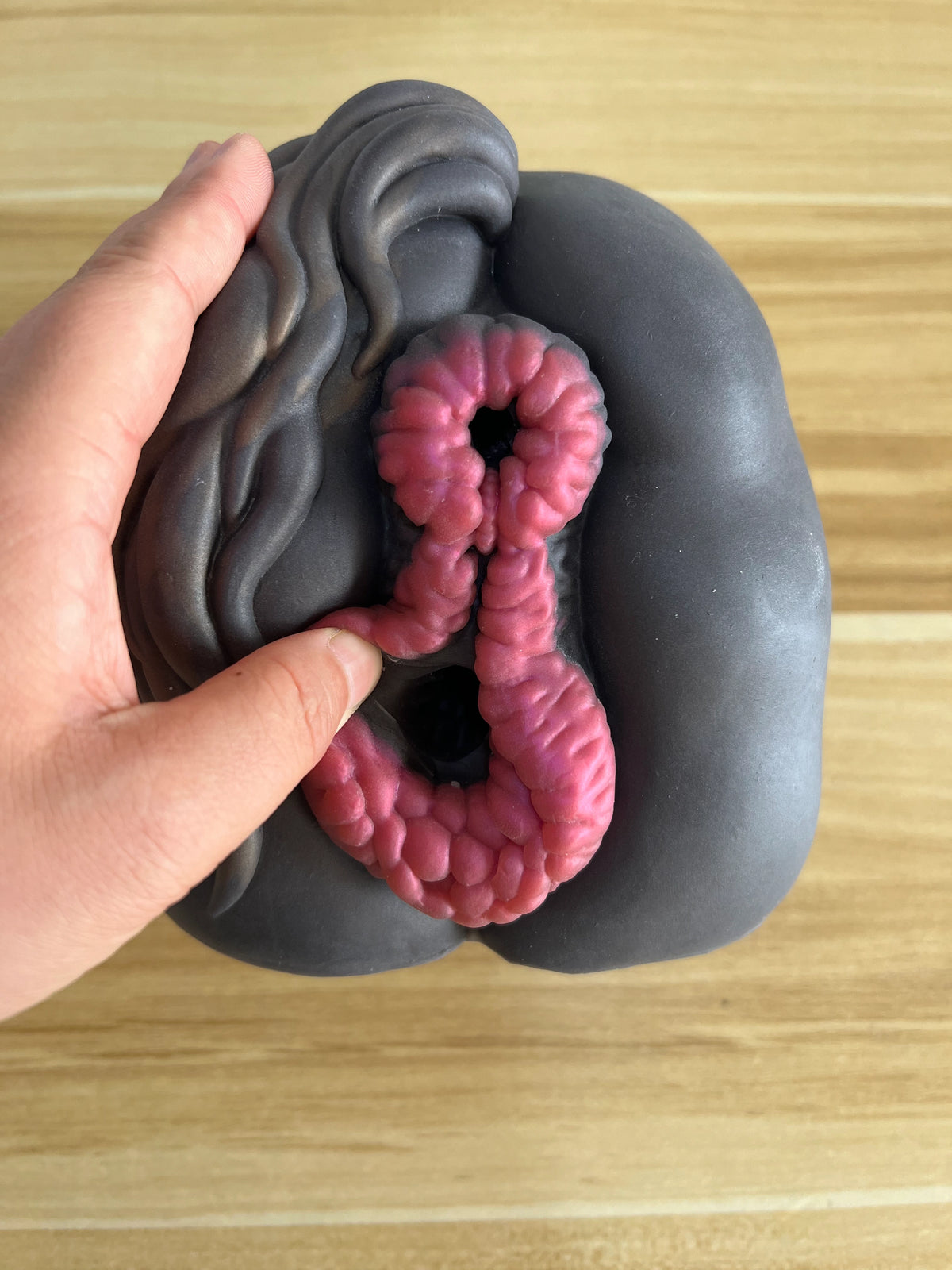
Platinum silicone lasts for years with consistent care. There is no routine degradation schedule. A toy that is cleaned properly, stored correctly, and used without physical damage can remain in good condition for a very long time. But there are specific signs that indicate a toy should be retired, and they are worth knowing.
The reason these signs matter is structural. Once the non-porous surface of platinum silicone is compromised, cut, torn, or significantly degraded, the material begins to behave like a porous one. The bacteria-resistant property that made it worth buying no longer applies.
None of these issues are common. They are worth knowing because when they do occur, the appropriate response is replacement rather than continued use. A platinum silicone toy that has been maintained correctly is one of the most hygienic products in this category, and that depends entirely on the integrity of the surface remaining intact.
Questions
Yes, a mild fragrance-free antibacterial hand soap works well. The important word is mild. Avoid dish soaps with heavy degreasers, or any soap with added moisturizers or oils. These leave a residue on the silicone surface that is harder to rinse off than the contamination you were trying to remove. Plain hand soap and water, used consistently, outperforms every specialized toy cleaner on the market for platinum silicone.
Platinum silicone has no smell when new, or a very faint neutral smell that fades quickly. It is not tacky to the touch. It does not discolor with normal use or age. The surface holds its texture and firmness over time without becoming sticky or degraded. If you want to verify, the flame test is definitive: briefly touch a lighter to a small inconspicuous area. Pure platinum silicone produces a tiny clean char and no chemical smell. TPE melts, drips, and smells strongly. All BeastyLov products carry full certification documentation.
You can, but we do not recommend it. High-quality platinum silicone is more resistant to silicone-based lubricants than cheap silicone blends, but prolonged use creates a dull, slightly tacky surface over time. This is cosmetic rather than a safety concern, but it is entirely avoidable. Water-based lubricant is fully safe, cleans off easily, and introduces no risk. Use water-based and you will never have to think about this again.
A faint smell that persists after daily washing is almost always residual lubricant, particularly silicone or oil-based products that bond to the surface. Wipe the toy down with 70% isopropyl alcohol on a lint-free cloth, let it sit for two minutes, then rinse thoroughly and air dry. This resolves the issue in most cases. If the smell persists after a full boiling cycle, the surface has been compromised and the toy should be retired.
Yes, after proper sterilization. Platinum silicone is one of the only materials that can be fully sterilized between uses, unlike TPE, which cannot be fully decontaminated regardless of what you do to it. Boil for 3 to 5 minutes, or use the 10% bleach solution method, before sharing. Never skip this step regardless of the nature of the relationship. Also sterilize when switching between body areas during the same session.
Drying the interior is the hardest part of masturbator care. After rinsing, shake out as much water as possible and stand the toy opening-up in a ventilated area. A fan on a cool setting directed into the opening speeds the process significantly. A hair dryer on its coolest setting held several inches from the opening also works as long as you use the cool air function only. A rolled microfiber cloth inserted gently to absorb moisture is useful for the first pass. Allow 12 to 24 hours before storing completely enclosed.
For non-motorized platinum silicone toys, yes, with specific conditions. Top rack only. No detergent at all. Sanitize cycle only. The dishwasher must be completely empty of dishes and food residue. Remove the toy immediately when the cycle ends to prevent rack indentations. Given these conditions, boiling is simpler and equally effective for most people.
With consistent care, meaning daily cleaning, periodic sterilization, and individual dry storage, platinum silicone toys last for many years. There is no standard degradation timeline. The limiting factor is physical damage or prolonged improper storage, not the material wearing out from normal use. The toys we carry are not consumables.


